
"Stay away from Yemen"
90 article(s) found

The legend of coffee turns-personal hobby
Legends of coffee there are several legends about the origin of coffee, among which the more familiar is the story of the shepherd: around 600 AD, a shepherd found that his sheep would be excited and hissed every night. In fear, he asked the priest of the temple for help. After carefully observing the sheep for a few days, the priest found that the sheep had eaten an unknown fruit.
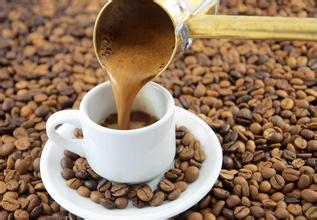
Boutique coffee Rwanda coffee origin Rwanda coffee practice
Rwandans have been growing coffee since colonial times, but until 1999, its products were still classified as below Class C and were not popular in the global market. The reason for the poor quality is that farmers do not have a fixed procedure for washing coffee beans and do not process coffee fruits according to specifications in time. Buyers buy coffee beans at $0.33 per kilogram, and farmers keep warm by the meagre profits earned at low prices.
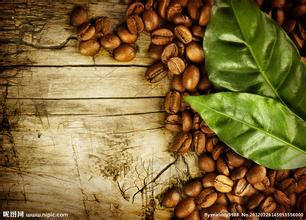
Boutique Coffee Rwanda Coffee Manor 1756 members small farmers
Rwandans have been growing coffee since colonial times, but until 1999, its products were still classified as below Class C and were not popular in the global market. The reason for the poor quality is that farmers do not have a fixed procedure for washing coffee beans and do not process coffee fruits according to specifications in time. Buyers buy coffee beans at $0.33 per kilogram, and farmers keep warm by the meagre profits earned at low prices.
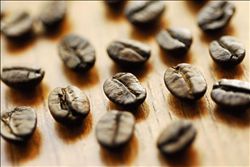
Fine coffee Rwanda Coffee introduces the characteristics of Rwanda Coffee
Rwandans have been growing coffee since colonial times, but until 1999, its products were still classified as below Class C and were not popular in the global market. The reason for the poor quality is that farmers do not have a fixed procedure for washing coffee beans and do not process coffee fruits according to specifications in time. Buyers buy coffee beans at $0.33 per kilogram, and farmers keep warm by the meagre profits earned at low prices.

Boutique coffee Rwanda coffee flavor red apple, cherry, cinnamon, honey
Rwandans have been growing coffee since colonial times, but until 1999, its products were still classified as below Class C and were not popular in the global market. The reason for the poor quality is that farmers do not have a fixed procedure for washing coffee beans and do not process coffee fruits according to specifications in time. Buyers buy coffee beans at $0.33 per kilogram, and farmers keep warm by the meagre profits earned at low prices.
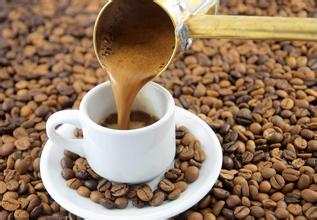
Boutique coffee Rwanda coffee producing area in the western province of Lutexilo
Rwandans have been growing coffee since colonial times, but until 1999, its products were still classified as below Class C and were not popular in the global market. The reason for the poor quality is that farmers do not have a fixed procedure for washing coffee beans and do not process coffee fruits according to specifications in time. Buyers buy coffee beans at $0.33 per kilogram, and farmers keep warm by the meagre profits earned at low prices.
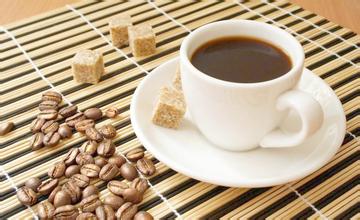
Fine coffee Rwanda coffee processing method Processing method Washing, elevated shelf drying
Rwandans have been growing coffee since colonial times, but until 1999, the product was classified as below grade C and was not available on the global market. The reason for the poor quality is that farmers do not have a fixed procedure for cleaning coffee beans, and they do not process coffee fruits according to specifications in time. Buyers pay $0.33 a kilo for coffee beans, farmers keep warm on the meager margins they earn at low prices

There are several legends about the origin of coffee
There are several legends about the origin of coffee, among which the more familiar is the story of the shepherd: around 600 AD, a shepherd found that his sheep would scream with joy every night. In fear, he turned to the priest of the temple for help. After carefully inspecting the sheep for a few days, the priest found that the sheep had eaten a kind of nameless fruit, and the priest himself ate it.

High-quality coffee beans from Africa and Rwanda in the world.
Rwanda Coffee Global Coffee producer-since the 1920s in Rwanda, Arabica coffee grown in Rwanda (Rwanda) has been famous for its unique fruit sweetness and strong grass aroma. In recent years, the Rwandan government has taken positive measures to vigorously promote coffee production, set up coffee production cooperatives in various places, and give technical guidance and financial support to farmers.

The characteristics of Rwandan coffee
Since the 1920s, Arabica coffee grown in Rwanda has been famous for its unique fruit sweetness and rich grass aroma. In recent years, the Rwandan government has taken positive measures to vigorously promote coffee production, set up coffee production cooperatives in various places, and give technical guidance and financial support to farmers, so that coffee production has made considerable progress. From Rwanda.
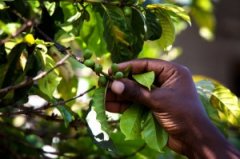
Coffee producing area African Rwanda boutique coffee beans
Global coffee producing area-since the 1920s, Rwanda Arabica coffee grown in Rwanda has been famous for its unique fruit sweetness and rich grass aroma. In recent years, the government of Rwanda has taken positive measures to vigorously promote coffee production, set up coffee production cooperatives in various places, and give technical guidance and financial support to farmers, so that coffee production can be achieved.
High-quality coffee beans from global coffee producing area Rwanda
Rwanda Coffee Global Coffee producer-since the 1920s in Rwanda, Arabica coffee grown in Rwanda (Rwanda) has been famous for its unique fruit sweetness and strong grass aroma. In recent years, the Rwandan government has taken positive measures to vigorously promote coffee production, set up coffee production cooperatives in various places, and give technical guidance and financial support to farmers.

The Coffee Flavor of Papua New Guinea Coffee beans from major coffee producing countries in the world
Coffee A grown in Indian Coffee Farm India is the first country in Asia to grow coffee, and Indian A-grade coffee beans have always been a kind of coffee strongly concerned by coffee lovers all over the world. Its flavor and taste features: uniform particles, rich taste, slippery and delicious. The cultivation of Indian coffee originated from their colonists, the British. As early as the 17th and early 18th centuries, the British were not like
How much do you know about French coffee?
When it comes to Bordeaux in France, people may think more of the world-famous Bordeaux wine. But in fact, the commodity coffee in world trade has been closely related to the city of Bordeaux for many years. The first coffee shop in Europe appeared in the mid-17th century. With the development of coffee trade, the two French ports Le Alpha and Bordeaux have gradually become imports of coffee beans.

Legends about the origin of coffee there are several coffee cultures
There are several legends about the origin of coffee, among which the more familiar is the story of the shepherd: around 600 AD, a shepherd found that his sheep would hiss excitedly every night. In fear, he asked the priest in the temple for help. After carefully observing the sheep for a few days, the priest found that the sheep had eaten an unknown fruit, and the priest himself had eaten it.
The Legend of Coffee the legend of the origin of coffee
There are several legends about the origin of coffee, among which the more familiar is the story of the shepherd: around 600 AD, a shepherd found that his sheep would hiss excitedly every night. In fear, he asked the priest in the temple for help. After carefully observing the sheep for a few days, the priest found that the sheep had eaten an unknown fruit, and the priest himself had eaten it.
There are several legends about the origin of coffee in coffee culture.
There are several legends about the origin of coffee, among which the more familiar is the story of the shepherd: around 600 AD, a shepherd found that his sheep would hiss excitedly every night. In fear, he asked the priest in the temple for help. After carefully observing the sheep for a few days, the priest found that the sheep had eaten an unknown fruit, and the priest himself had eaten it.

The introduction to coffee roasting recommends the complete Book of Coffee self-baking.
When the author published the first edition of this book in 1996, roasting coffee beans at home was something that only tireless coffee addicts would do. At that time, roasting coffee beans was a very difficult thing to master, and roasters had to work hard to find a way to roast coffee beans to a moderate brown. Today, individuals still roast coffee beans at home.

On Coffee Culture how people from all over the World drink Coffee
Professional coffee knowledge exchange more coffee bean information Please follow the coffee workshop (official Wechat account cafe_style) A cup of mellow and delicious coffee. For coffee fans, apart from its mellow taste, there is nothing more attractive than the seductive aroma that comes out of the brewing process with a slight sense of mystery. Therefore, the so-called tasting a cup of coffee should

A brief introduction to the introduction to Coffee roasting, the complete Book of Coffee self-baking
When the author published the first edition of this book in 1996, roasting coffee beans at home was something that only tireless coffee addicts would do. At that time, roasting coffee beans was a very difficult thing to master, and roasters had to work hard to find a way to roast coffee beans to a moderate brown. Today, individuals still roast coffee beans at home.